A Professional Review of the Pencil Split Name Frame Embroidery Design
Whenever a new embroidery design lands in my library, my first step is to imagine it stitched out. Not on a screen, but on actual fabric, under real hoop tension, with threads I trust. The Pencil Split Name Frame immediately sparks that practical assessment. Its playful, school-themed concept is clear, but the real question for any designer or crafter is: how does it translate into a finished product that feels worth the time, thread, and customer’s money?
The Playful, Personal First Impression
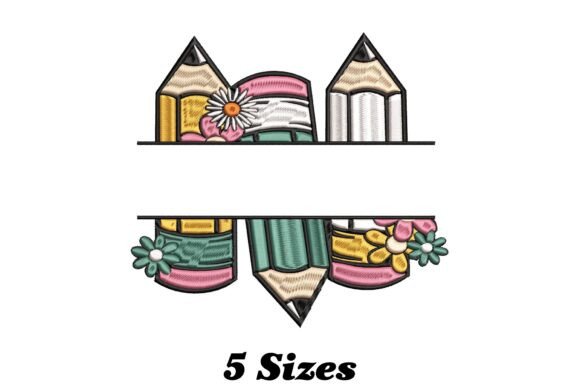
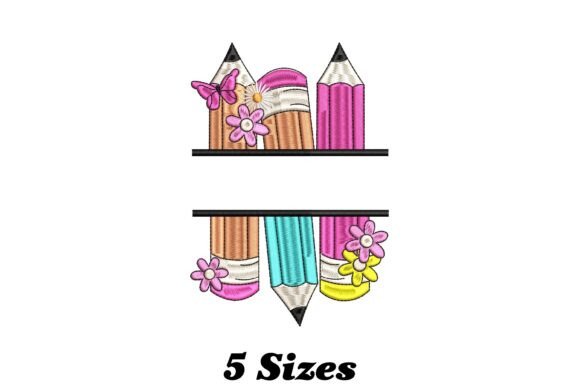
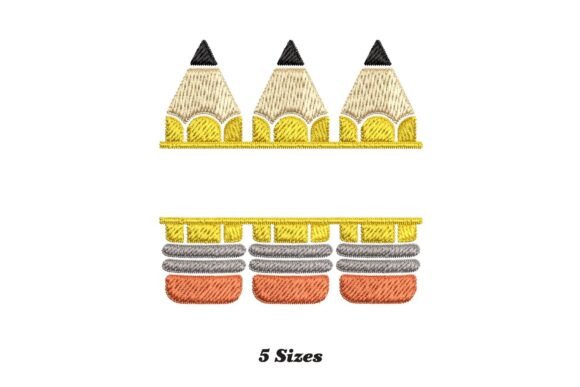
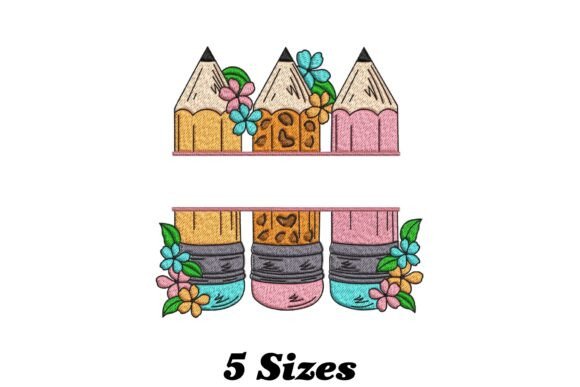
This design’s charm lies in its straightforward, graphic approach. The split frame, built from pencil motifs, creates a natural container for a name—perfect for personalization without needing complex layout adjustments. It feels optimistic and lighthearted, evoking that back-to-school energy but in a way that’s versatile beyond just academic contexts. The detail level appears balanced: the pencils have enough visual interest to stand out, but the shapes are clean, suggesting they won’t become a nightmare of tiny, dense satin stitches on textured fabrics. For me, this signals a design that belongs on items where a name adds meaning: personalized gifts, boutique children’s items, or cheerful home decor.
Where This Design Finds Its Natural Home
I’m picturing a specific project: a custom tote bag for a teacher, or a set of kitchen towels for a graduate. The Pencil Split Name Frame isn’t just a decorative element; it’s a focal point. On a cotton tote, stitched in bright, contrasting thread colors, it would turn a simple bag into a memorable, gifting-ready product. For small business owners, especially those targeting Etsy markets for personalized baby items or holiday gifts, this design is a ready-made asset. It lends itself perfectly to sweatshirt embroidery for a child’s first day of school, or as a sweet, understated motif on a baby embroidery bib or blanket in a nursery decor scheme.
The layout also suggests excellent utility for embroidered patches. The frame’s defined borders would stitch out cleanly, making it suitable for application onto caps, aprons, or even as a standalone patch for a backpack. This versatility is key for crafters looking to maximize a single digital embroidery file across different product lines in their shop.
Practical Performance on Real Fabrics and Projects
Moving beyond the concept, a designer’s mind shifts to execution. Here’s where your experience with stitch density, fabric texture, and hoop size comes into play. The pencil shapes, depending on their internal detail, will likely use fill stitches. On stable fabrics like canvas for a tote or mid-weight cotton for a pillow cover, this should be fine. However, on thin or stretchy fabric—like a lightweight t-shirt—you’ll need to be meticulous with your stabilizer choice to prevent puckering and ensure the name lettering remains crisp.
Caution Areas for Optimal Results
This design demands careful consideration on several fronts. First, the small details: the pencil tips and the potentially tiny lettering for the name. If the embroidery file has very fine running stitch outlines or small satin stitch areas, testing on scrap fabric is non-negotiable. This prevents thread breaks and unclear text on the final finished product.
Second, dark fabric backgrounds. The playful mood often calls for bright, classic pencil colors—yellow, red, green. On a black sweatshirt, you’ll need to ensure your thread palette pops with enough contrast to maintain the design’s cheerful visibility. Always stitch a sample on both light and dark backgrounds before committing to a client project.
Third, curved surfaces like caps. The frame’s rectangular nature might require smart positioning to fit the curve without distortion. And for products destined for frequent washing, like tea towels or baby clothes, checking the stitch integrity after a wash test is a wise step to ensure longevity and customer satisfaction.
How This Design Elevates Your Product Value
From a commercial perspective, the Pencil Split Name Frame does more than just decorate. It adds a layer of perceived value through personalization. A generic towel becomes a gift. A standard pillow becomes custom nursery decor. For the Etsy seller or small shop product creator, this transforms a simple listing into an engaging, customizable offering that can boost buyer engagement. The handmade presentation feels thoughtful, not random.
It also aids in brand consistency for shops focusing on school themes, educational gifts, or playful children’s apparel. Using a well-stitched, clean version of this design across your product line reinforces a professional, cohesive look in your printable mockups and actual merchandise. This builds customer trust—they recognize a quality, intentional application.
Essential Designer Notes Before You Hoop
My final advice, drawn from reviewing countless machine embroidery designs for real use, is to adopt a methodical approach. Always test the design on scrap fabric first, using the exact fabric and stabilizer combination you plan for the final project. Review the stitch density by observing the test run; overly dense areas might need adjustment for delicate fabrics.
Confirm the effective hoop size required. While the design might physically fit in a small hoop, the detail retention might suffer. Sometimes, a slightly larger hoop gives better results. Inspect the small details in your test piece—are the pencil lines clear? Does the name frame align neatly?
Crucially, check whether the design works for both personal and commercial projects. Understand the licensing terms of the digital embroidery file before selling finished items or incorporating it into products for your craft business. This protects your business and respects the designer’s work.
Embroidering the Pencil Split Name Frame successfully isn’t just about running a machine. It’s about envisioning the final item in a customer’s hands—a personalized tote bag they use daily, a gifted pillow that decorates a dorm room, a baby blanket that becomes a keepsake. That’s where a good design proves its worth, and this one, with careful application, has the potential to create exactly those kinds of valued, personalized gifts.