Creative Letter C: A Whimsical Touch for Your Next Project
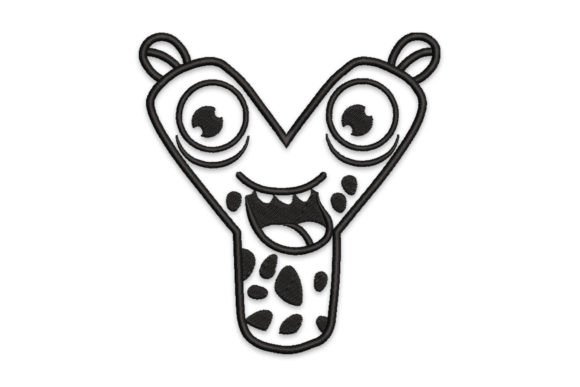
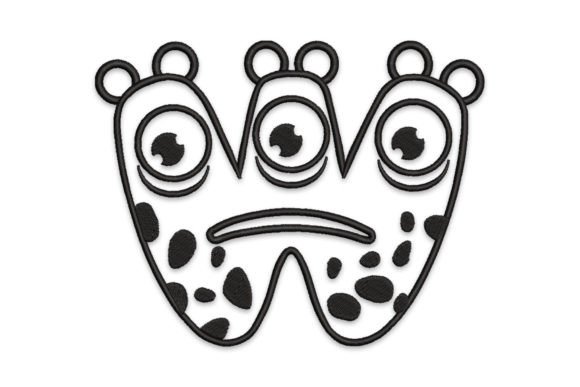
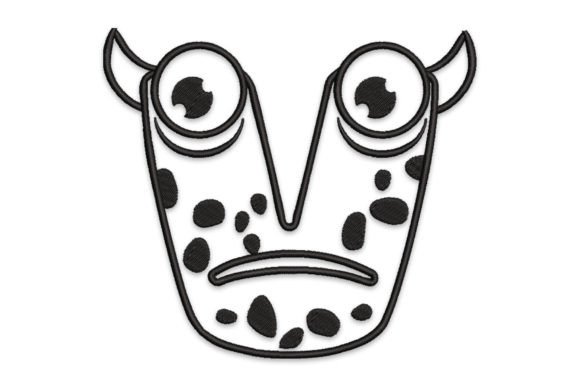
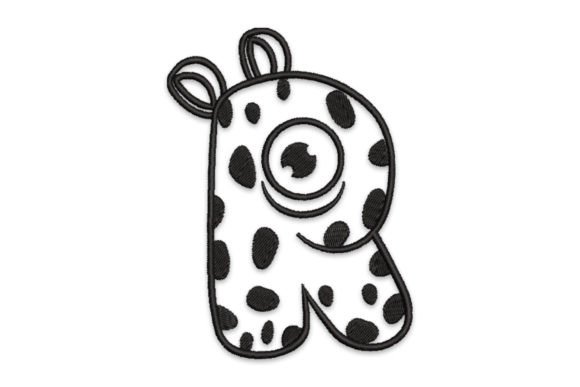
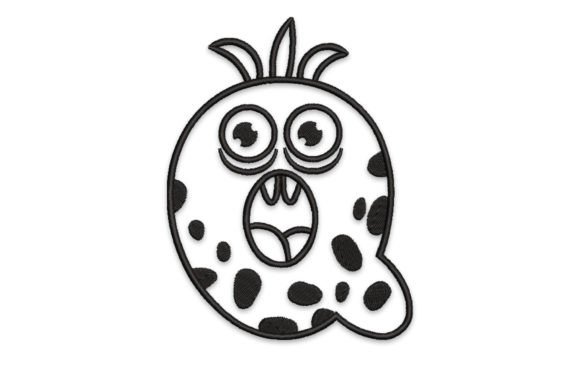
When I first opened the Creative Letter C embroidery file, I smiled. This is a design that immediately tells you its mood: playful, friendly, and absolutely charming. It’s not just a letter; it’s a character. The whimsical theme and layout have a personality that feels ready for a story, perfect for projects that need a dose of lighthearted fun. My first thought was, “This belongs on a child’s item,” but then I imagined it on a modern kitchen towel or a cozy sweatshirt, and realized its appeal is broader than just school-themed projects. The level of detail is thoughtful—it has visual interest without being overly dense, which is a crucial balance for real-world stitching.
The Right Project for This Playful Personality
Let’s talk about where this design shines. I recently tested it for a custom order: a personalized tote bag for a teacher’s gift. The client wanted something cheerful and unique, not overly formal. The Creative Letter C was the perfect centerpiece. Stitched onto a natural canvas bag, it transformed a simple accessory into a special, handmade product. The whimsical touch made the gift feel personal and thoughtful, exactly the reaction I aim for with boutique merchandise.
This design naturally belongs to a family of projects where personality is the selling point. Think embroidered patches for kids’ backpacks, a sweet accent on a baby’s blanket or romper, a standout detail on an apron for a creative entrepreneur, or a focal point on a pillow cover in a cozy home. For Etsy sellers and small shop owners, this kind of design adds value because it feels less generic than a standard font. It creates recognition and boosts the handmade presentation, making your product feel more like a crafted design asset than a mass-produced item.
Where It Performs Brilliantly: From Totes to Tea Towels
In practical application, the Creative Letter C performs well on a range of surfaces. On stable fabrics like cotton tote bags, mid-weight sweatshirts, and linen pillow covers, the stitches lay clean and crisp. The design’s layout typically uses a mix of satin stitch for bold outlines and fill stitch for solid areas, which gives good visual clarity. On a tea towel or kitchen towel—a classic use mentioned in the description—it brings that fun touch without being too delicate for frequent use and washing.
For apparel decorators, it’s a strong candidate for custom apparel like t-shirts and lightweight hoodies, provided you use the correct stabilizer. I also envision it working beautifully for holiday gifts, like a monogrammed holiday stocking or a festive sweater, where the playful letter style adds to the celebratory mood. In digital product previews and printable mockups for your craft business, this design has an inherent charm that engages potential buyers. It looks professional and friendly, which builds customer trust.
Careful Considerations for Stitching Success
Now, for the realistic part. Every design has areas where you need to plan. With a design like Creative Letter C, the charm often lies in its details—perhaps small decorative accents or curved elements within the letter. On textured fabrics, dark fabric backgrounds, or stretchy fabric like some t-shirt knits, those details need extra attention. You must check thread color contrast meticulously. A light thread on a dark fabric might need a slight adjustment in stitch density to ensure the whimsical shape doesn’t lose its definition.
Small hoop sizes can be a constraint. If the design is intended for smaller items like caps or baby clothes, you need to confirm the minimum recommended hoop size before stitching. Embroidering on curved surfaces like caps requires careful hooping and stabilizer choice to keep the layout from distorting. Also, for products destined for frequent washing, like towels or kids’ apparel, you want to ensure the stitch areas are robust enough to hold up. Always test on scrap fabric first, mimicking the final fabric texture and color.
Another practical note: inspect the small details in your software preview. Look at any potential tiny lettering or intricate corners. Running stitch elements, if present, should be clear and not too delicate for the scale you’re using. This is not a design I’d automatically use on a very thin fabric without a solid stabilizer strategy, as the visual appeal depends on stitching clarity.
A Design That Elevates Your Product Value
From a commercial perspective, using the Creative Letter C affects more than just aesthetics. It elevates the perceived value of your finished product. A handmade sweatshirt with this design feels more bespoke than one with a plain text logo. For personalized gifts, it enhances the giftability—it looks like you cared about the design choice, not just the name. For brand consistency, if your small business has a playful, friendly aesthetic, this design can become a coherent element across your merchandise, from tote bags to apparel.
It encourages buyer engagement because it’s visually interesting. In an Etsy listing or craft fair display, an embroidered item featuring this design catches the eye and tells a story. It suggests creativity, which is exactly what customers shopping for handmade products are seeking. However, professionalism comes from flawless execution. That’s why the pre-testing is non-negotiable.
Essential Notes for Every Embroidery Designer
Before you load this machine embroidery design for a client project or your next small shop product, here is my standard checklist. First, always test it on a scrap of your intended fabric. This reveals everything: how the thread colors interact with the background, whether the stitch density is appropriate, and if any small details need tweaking.
Second, check it in both light and dark fabric mockups in your software. This gives you a sense of its versatility and helps you plan thread inventories. Third, confirm the licensing terms for this digital embroidery file. Can it be used for commercial embroidery projects, or is it for personal use only? This is critical before selling finished items or incorporating it into your business’s design assets.
- Use proper stabilizer for the fabric type—don’t guess.
- Review the design in your hoop to ensure it fits your project size.
- Consider making a sample patch; it’s a great way to test durability.
- For baby embroidery or items with sensitive skin, ensure thread ends are secure.
- Keep a record of the thread colors you used for successful projects; this speeds up future work.
Embroidery is a blend of art and technique. The Creative Letter C is a delightful artistic element, but its success on your real project—whether a boutique apron, a holiday gift blanket, or custom baby clothes—depends on your technical preparation. It’s a design that, when stitched well, brings a genuine smile to whoever sees it, and that’s ultimately the best review any designer can give.