Embroidery Evaluation: Putting the Earth Globe Design Through Its Paces
When I see an embroidery design titled Earth Globe, my first question isn't just about its beauty, but its utility. How does this digital embroidery file translate from screen to stitch? I approach it as a professional, imagining it already hooped up, ready for a client's sweatshirt or a line of boutique tote bags.
A First Impression: Whimsical Charm with Practical Shape
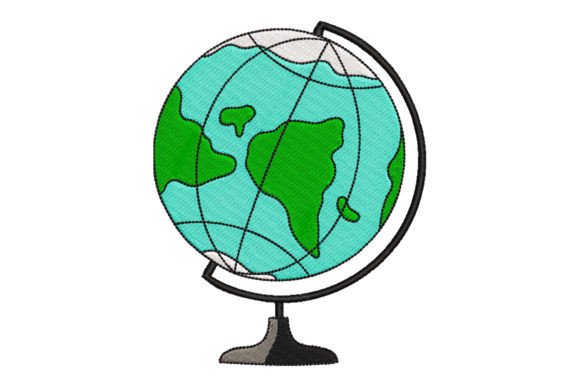
The Earth Globe design immediately suggests a friendly, educational charm. It’s not a hyper-realistic cartographic map; it’s an illustration meant to evoke a sense of whimsy. The circular layout is a practical advantage—it’s a contained, balanced shape that naturally fits into standard hoop sizes without awkward negative space. This makes it a versatile candidate for a vast range of projects, from a custom apparel chest logo to a centered decoration on a pillow cover. The detail level feels intentional: enough to define continents and create visual interest, but not so dense that it would become a stitching challenge on textured fabrics.
Where This Globe Finds Its Home: Real Project Scenarios
Let’s walk through a real-life scenario. I’m preparing a batch of embroidered tote bags for a local craft fair. The Earth Globe design comes to mind. Its theme is universally appealing, neither gender-specific nor age-limited. Stitched onto a natural canvas bag, it would elevate a simple product into a thoughtful handmade gift. I envision it in a palette of earthy greens and blues, the satin stitch outlines giving it a clean, polished look.
This is the kind of design that shines on home decor. Imagine it on a tea towel in a kitchen—a touch of charm without being kitschy. On a baby blanket or nursery pillow, it becomes a gentle, educational motif. For small business merchandise, it could serve as a consistent brand element for a travel-themed shop or an educator’s Etsy store. Its appeal as a personalized gift is strong: a globe embroidered on a cap for a graduate, or on a apron for a geography teacher feels meaningful and specific.
Navigating the Stitching Terrain: Performance Considerations
In practical embroidery, the success of a design like this hinges on execution. On a standard cotton sweatshirt, with proper stabilizer, I expect it to perform well. The circular shape and likely fill stitch areas for oceans mean paying close attention to stitch density. On thinner fabrics like t-shirts, a very dense fill could lead to puckering or a stiff feel, so testing on scrap fabric first is non-negotiable.
Curved surfaces, like caps, require extra consideration. The design’s round form is actually advantageous here, fitting the cap crown nicely, but small details at the edges need to stitch out cleanly. For darker fabrics, thread color contrast is paramount. A globe on a black denim jacket would need bright, vibrant threads to pop, whereas on light linens, more muted tones could work.
When to Proceed with Caution: Design Limitations
While versatile, the Earth Globe isn't a one-size-fits-all solution. If the design includes very tiny lettering (like miniature continent names), those elements might not stitch clearly on stretchy fabrics or in very small hoop sizes. I’d inspect those small details in a preview carefully.
Products destined for frequent washing, like kitchen towels or baby clothes, need robust stitching. Areas with many short running stitches or delicate satin stitch borders could wear faster than larger fill areas. Choosing a durable thread and potentially even backing it as an embroidered patch for high-wear items might be smarter. For textured fabrics like boucle or thick wool, the design's clarity could be lost; simpler motifs sometimes work better there.
The Business of Embroidery: Value and Presentation
From a commercial perspective, this design adds value. On a plain product, it provides a finished, professional look that builds customer trust in your craftsmanship. It’s recognizable and pleasant, which aids in buyer engagement for your Etsy listings or craft fair table. For digital product sellers, it’s a design asset that can be marketed to other crafters looking for exactly this kind of charming, school-related motif.
Its giftability is high. A globe feels thoughtful and slightly nostalgic, perfect for holiday gifts or wedding gifts for the travel-loving couple. For brand consistency, a small shop focusing on educational toys or global crafts could use this design across multiple products—totes, pillows, aprons—creating a cohesive line.
A Designer's Practical Notes Before Hooping Up
Before I commit this to a client’s project, my checklist is practical:
- Test, always test. Run it on scrap fabric identical to the final project material.
- Check the provided thread color list. Consider adapting the palette for different fabric backgrounds—a version for light fabrics and a brighter, higher-contrast version for dark fabrics.
- Confirm the exact hoop size requirement from the embroidery file. A design that fits a 4x4 hoop is infinitely more versatile for small items like caps or baby bibs than one requiring a 6x10.
- Inspect the stitch types. Are there large solid fill areas? They'll need good stabilizer. Are there delicate single-line outlines? They might benefit from a slightly thicker thread.
- Create black and white printable mockups to see how the form reads without color, ensuring the shape itself is strong.
- Most critically, confirm the licensing. Before selling any finished product or using it in commercial embroidery projects, understand the terms. Some files are for personal use only, others allow limited commercial production.
The Earth Globe embroidery design, from my professional standpoint, is a solid, charming asset. It has a clear mood, a practical shape, and broad application potential. Its success in any real-world embroidery project—from a personalized gift to a small shop product—will depend entirely on that careful, thoughtful preparation that turns a good digital file into an exceptional finished product.