Hagos Font: An Embroidery Designer's Review for Business Branding
The Professional Yet Friendly First Impression
When evaluating an embroidery font for client work, the first question I ask is: what personality does it communicate? Haglos Font strikes an excellent balance. It feels professional and clean, which is crucial for brand credibility, but the character shapes have a subtle softness that avoids being overly corporate or cold. This makes Haglos Font a versatile choice for businesses wanting to appear trustworthy yet approachable. For a boutique, café, or creative studio, this font can embroider your name or tagline with an air of competence without sacrificing warmth.
Real-World Application for Small Business Merchandise
The true test of any embroidery file is how it performs on actual products. For Haglos Font, its strength lies in its adaptability across a wide range of branded items. The clarity of its letterforms means it reads well even at moderate sizes, making it ideal for a chest logo on staff uniforms, a sleeve detail on work shirts, or a simple mark on tote bags and aprons.
Consider a local bakery using Haglos Font to embroider its name on aprons. The result is a clean, legible brand presentation that customers see instantly. For a pet brand or florist creating customer gifts or event merch, using Haglos Font to add a personalized name or date elevates the item from a generic product to a bespoke, branded keepsake. It integrates seamlessly into the visual ecosystem of a small business.
Key Uses for Haglos Font in Commercial Embroidery
- Branded Patches: Haglos Font can form the text element of a custom embroidered patch, perfect for caps, bags, or as a product label add-on.
- Uniform & Apron Accents: Employee names, business names, or slogans on chests, sleeves, or pockets.
- Tote Bag & Cap Designs: A standalone logo or accent text for sellable merchandise.
- Product Packaging Accents: On fabric tags or labels for handmade products, enhancing perceived value.
- Etsy Branding & Craft Business Assets: Consistent font use across different products creates a cohesive brand identity.
Where Careful Consideration is Needed
While versatile, every machine embroidery design has its limits. With Haglos Font, pay close attention to application size and context. On very small patches or the curved front of a cap, extremely tiny lettering may lose definition; test it at your intended size first. On textured fabrics like some tote bag materials, ensure your stabilizer choice is robust to maintain clean edges.
For items like dark uniforms or work shirts that require frequent washing, the integrity of the design is paramount. A well-digitized font like Haglos Font should hold up, but always recommend clients check stitch density and thread quality specifications before finalizing an order. High stitch density on delicate fabrics might not be suitable, so a test on real fabric is a non-negotiable step.
Scenarios Requiring Extra Testing
- Extremely small lettering on miniature patches or product labels.
- Application on curved surfaces like cap fronts.
- Use on heavily textured or stretchy fabrics.
- Projects with very high contrast thread colors (e.g., white on black) where every stitch detail is visible.
- Items destined for industrial laundering or heavy wear.
Impact on Brand Identity and Customer Perception
Your choice of embroidery font directly influences brand identity. Haglos Font supports a brand that wants to be seen as reliable and quality-focused. Its clean execution fosters customer trust—a messy, poorly rendered font can subconsciously suggest carelessness. Conversely, a crisp, professional embroidery font like Haglos Font reinforces the idea that your business pays attention to detail.
This enhances product value. A tote bag with a beautifully embroidered brand name using Haglos Font feels more premium than one with a printed logo. For handmade product presentation, it adds a touch of refined craftsmanship. Visual consistency across your apron embroidery, cap embroidery, and merchandise strengthens recognition and buyer engagement, making your brand memorable.
Practical Notes from the Embroidery Designer's Table
Before committing Haglos Font to a commercial embroidery project, follow these practical steps. They protect your time, your client's satisfaction, and the final product's quality.
Essential Pre-Production Checks
- Test in Black and White: Embroider a sample in both a light thread on dark fabric and dark thread on light fabric. This reveals how the design performs at its most basic contrast levels.
- Check Small Patch Size Performance: If using it for small labels or accents, hoop it at the smallest intended size and assess legibility.
- Review Thread Color Contrast: Choose colors that provide clear readability for your specific fabric background.
- Inspect Letter Spacing: Ensure the spacing between characters is appropriate for your phrase length and doesn't feel too crowded or sparse.
- Confirm Hoop Size & Stabilizer: Match the machine embroidery design file to a suitable hoop size and use the correct stabilizer for your fabric texture.
- Create a Printable Mockup for Client Approval: Before stitching hundreds of units, get final sign-off. Compare it beside other design assets to ensure cohesion.
- Verify Commercial Licensing: Crucially, confirm the digital embroidery file license permits commercial use for your business merchandise before production begins.
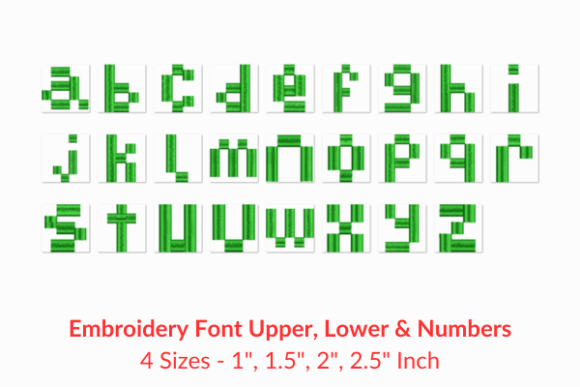
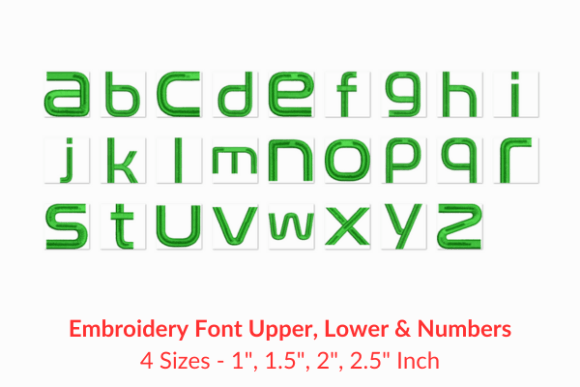
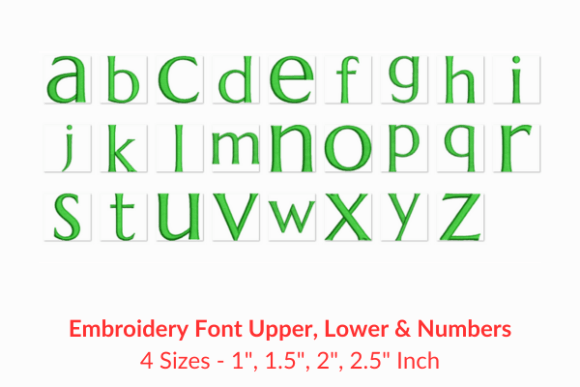
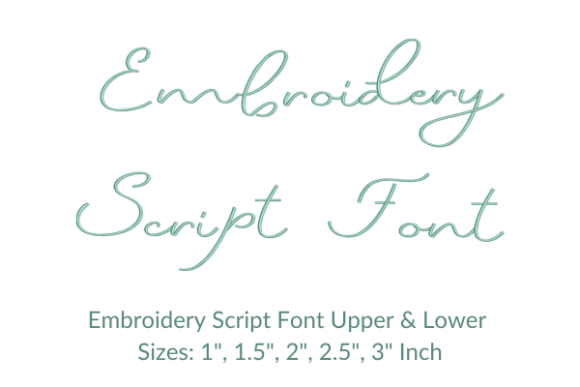
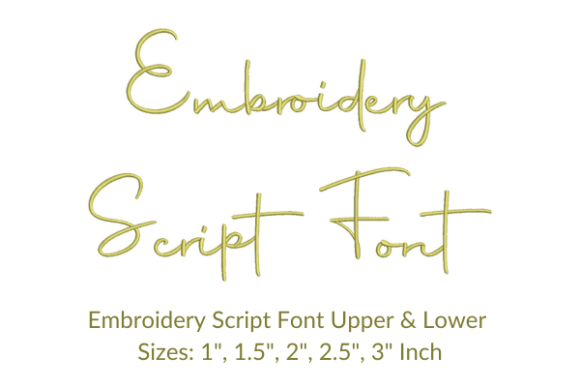
Hagos Font, from the School category and Embroidery type, presents itself as a high-quality tool for personalization. In the hands of a small business, it becomes more than that—it's a brand asset. Its professional yet friendly character, coupled with solid performance across key merchandise items, makes it a compelling choice for businesses building their identity through tactile, embroidered quality. Always remember: the foundation of great branded embroidery is not just a good file, but a thorough, real-world test.