The Kentwell Font: A Designer's Take on a Versatile Number Set
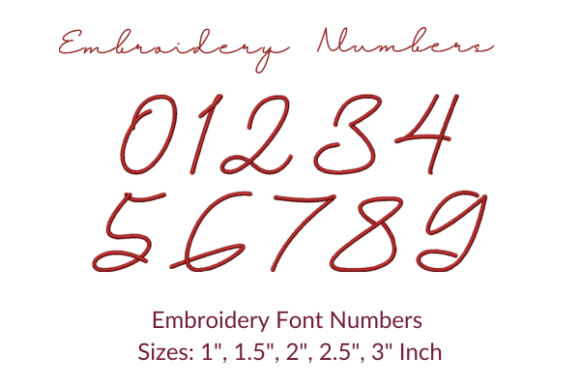
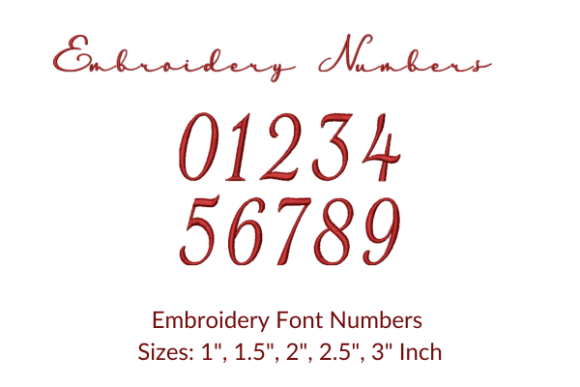
As a designer who relies on embroidery to bring ideas to life, fonts are a cornerstone of my work. They’re not just letters or numbers; they’re the tone of voice for a project. When I first opened the Kentwell Number Font, my immediate impression was of clean, straightforward utility. This isn't a font shouting with decorative flair. It’s confident, legible, and built with a purpose. The shapes are balanced, offering a visual personality that feels both classic and quietly modern. It creates a mood of simple, reliable elegance—perfect for when you need information to be clear and attractive without overwhelming the main design.
Where Kentwell Finds Its Natural Home
This font naturally belongs to projects where clarity and a touch of sophistication are key. I picture it embroidered onto the corner of a high-quality linen tea towel, marking it as part of a wedding gift set. I see it stitching a year or a special date onto a baby’s keepsake blanket, adding that personal touch without clashing with the main motif. For a small shop selling personalized aprons, Kentwell would be ideal for adding a monogram or a date—it feels professional and enhances the handmade product's value. It’s a strong candidate for boutique branding on tote bags or patches, where clean, recognizable numbers can build brand consistency.
Thinking about my own recent work, I considered a custom embroidered sweatshirt for a client’s anniversary gift. The main design was a floral motif, but they wanted the date included. Kentwell’s balanced proportions meant it could sit neatly beneath the flowers without competing. In a printable mockup for an Etsy listing, the numbers held their form beautifully, giving customers a clear preview of the finished product’s quality.
The Stitching Reality: Performance on Real Fabrics
In real-life embroidery, performance is everything. A design’s beauty on screen is only half the story. Based on its structure, Kentwell appears designed to perform well across many situations. The spacing and likely stitch density suggest it will stitch out cleanly on standard fabrics like cotton twill for tote bags, mid-weight sweatshirt material, and linen for pillow covers. For caps or curved surfaces, its straightforward shapes should adjust well without excessive distortion, provided the hoop size is appropriate.
However, this is where practical judgment comes in. On textured fabrics like some blankets or on very stretchy fabric, I would advise extra caution. The clean lines rely on good fabric stability. On dark fabric backgrounds, thread color contrast becomes paramount—a bright, crisp white or a bold contrasting color would make Kentwell pop and maintain stitching clarity. For products destined for frequent washing, like kitchen towels or baby clothes, the inherent durability of the satin or fill stitches used in a font like this is crucial; it needs to hold up to maintain customer trust.
Spaces for Careful Application
Every design has its sweet spots and its less ideal applications. With Kentwell, its strength in clarity means it might not be the best choice where tiny, miniature lettering is required. In very small hoop sizes, the detail level needs to be checked to ensure the numbers remain distinct and don’t become a dense, muddled area. Similarly, on very thin or delicate fabrics, the stitch density needs to be suitable to prevent puckering.
I’d use it carefully on projects where the numbers are intended as subtle decorative accents alongside other complex elements. Its personality is more foundational than ornamental. For a holiday gift like an embroidered stocking with a highly decorative scene, a more playful font might pair better. Kentwell shines when the numbers themselves are a central, valued piece of information.
How This Font Elevates Your Finished Product
The right embroidery file directly impacts visual appeal, professionalism, and buyer engagement. Kentwell, by offering a clean and legible result, adds a layer of polished presentation to a handmade item. For a creative entrepreneur, this translates to products that look intentionally designed, not hastily assembled. It boosts giftability—a personalized throw pillow with a clean, embroidered date feels considered and special. For commercial embroidery projects, such as a series of patches for a local business, consistency and readability are key for recognition, and this font supports that.
When a customer sees a crisp, well-proportioned number on a custom apparel item, it builds trust in the craft. It signals attention to detail. In a craft fair setting or an Etsy digital product preview, that clear execution can be the difference between a glance and a sale.
A Designer’s Practical Notes Before You Hoop
Before committing this design to a client project or a batch of small shop merchandise, my routine is always the same. Test, test, test.
- Run the Kentwell Number Font on scrap fabric first, preferably a similar type to your final project fabric.
- Check thread color contrast against both light and dark fabric backgrounds. Sometimes a mockup in black and white can help judge form independently of color.
- Review the stitch density on your test piece. Is it appropriate for your fabric weight?
- Confirm the hoop size you plan to use. Does the design scale well and remain crisp?
- Inspect the small details, especially in the corners of numbers, to ensure they stitch out cleanly.
- Always use the proper stabilizer for your fabric type; this is non-negotiable for a professional finish.
- Most critically, if you intend to sell the finished items or use this as part of your digital product assets, confirm the licensing terms of the embroidery file. Know the rules for personal and commercial projects before you start.
The Kentwell Number Font is a tool. In the hands of a mindful maker, it’s a tool that can produce reliable, attractive, and value-adding results. It fits into the ecosystem of a craft business as a dependable asset for personalization. My final thought is this: it’s a font you can trust to do its job well, provided you do yours—preparing the project with the practical care that turns a good machine embroidery design into an exceptional finished product.