The Whimsical Charm of the Stationery Holder Embroidery Design
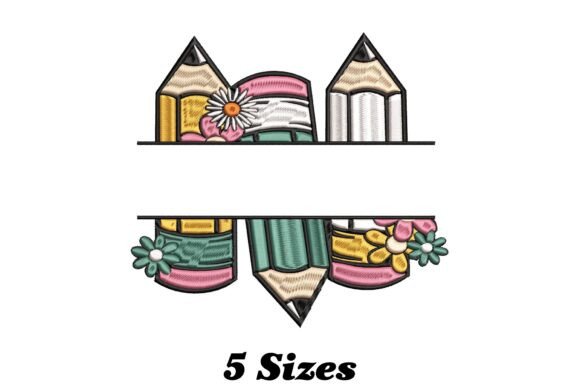
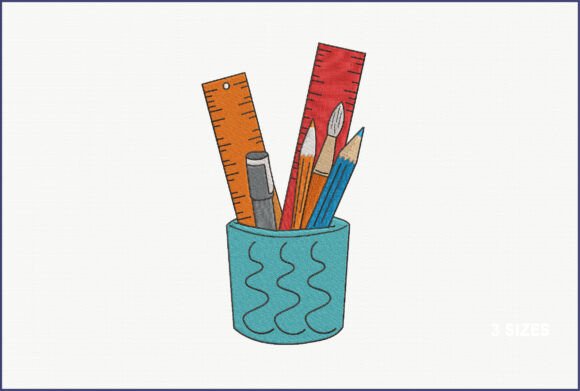
As an embroidery designer preparing a premium sweatshirt collection for a boutique client, my first task is always to evaluate a design’s character and commercial viability. The Stationery Holder embroidery file presents itself with a playful, fun mood, immediately suggesting it’s more than just a graphic—it’s a narrative piece. My first impression is of a design that feels inherently cute and decorative, with a layout that promises a charming, detailed finish. This isn’t a bold, minimalist statement; it’s a whimsical touch, perfect for injecting personality into fabric.
From Digital File to Premium Sweatshirt: A Real-World Application
When considering this machine embroidery design for a limited sweatshirt drop, the context shifts from a digital asset to a tactile, wearable product. On a high-quality, neutral-toned sweatshirt—think cream, oat, or grey—the Stationery Holder would sing. The playful details would pop with excellent thread color contrast, lending a premium, handmade product feel that boutique customers seek. Stitched on the left chest of an oversized hoodie, it becomes a subtle, personal accent. On a dark fabric like charcoal or navy, the design would need a thoughtful thread palette to ensure its whimsical charm remains visible and doesn’t get lost in the density of the fabric.
For a cozy, seasonal apparel line, this design could beautifully adorn the sleeve as an accent or even scale up for a striking back design on a relaxed-fit hoodie. Its decorative nature makes it ideal for lifestyle product photography—the kind that sells the story of a creative, engaging brand. In Etsy listings and printable mockups, the Stationery Holder would convey a sense of craft and attention to detail that builds immediate buyer trust for a small shop product.
A Designer’s Practical Review: Stitch, Fabric, and Durability
Moving beyond aesthetics, the practical concerns for commercial embroidery are paramount. The description hints at a playful design with charm, which often implies a certain level of detail. I would immediately assess the stitch density and overall composition. For sweatshirt embroidery, especially on thicker, textured fleece, a design must have a sturdy construction to withstand washing and wear. A very dense design can be challenging on thick fabrics, while one too light might not feel substantial enough.
The choice of stabilizer becomes crucial here to prevent puckering and ensure a clean finish on that cozy fabric texture. One must also consider hoop placement and the design’s behavior at smaller sizes. If scaled down for a subtle chest logo, would all the charming details remain readable? This is a key question for custom apparel branding where clarity matters. Furthermore, the interplay of thread colors is vital. A design like this, meant to be fun and whimsical, likely benefits from a curated color palette that enhances its playful personality against various backdrop colors—from pastels to deep tones.
Building Brand Identity with a Single Design
For a boutique brand, every element on a garment contributes to visual recognition and identity. The Stationery Holder design, by its very title and playful description, leans into a feminine, playful, and perhaps slightly rustic aesthetic. It could define a brand’s voice as approachable, creative, and focused on charm. This isn’t a generic logo; it’s a piece of art that encourages customer engagement—people might buy the sweatshirt not just for the garment, but for the delightful story the embroidery tells.
This directly affects perceived product value. A well-executed, durable embroidery of this nature elevates a simple sweatshirt into a handmade product, justifying a premium price point for the small clothing brand. It signals care and craftsmanship, which are the cornerstones of trust in the handmade and digital seller marketplace.
Final Considerations Before Hooping the Fabric
While the mood and application are promising, a professional review always ends with a checklist. The provided description emphasizes the design’s versatility for t-shirts, towels, and home decor, which suggests it has been created for adaptability. However, for my specific use case—premium sweatshirts for a boutique collection—I must confirm the technical specs not mentioned here. The exact hoop size requirements, the stitch count (which influences production time and fabric handling), and the file formats included are essential details to verify before any production begins. These factors determine whether this digital embroidery file is not just charming, but also technically robust and efficient for my commercial needs.
In conclusion, the Stationery Holder embroidery design presents a strong candidate for a boutique sweatshirt project. Its whimsical, decorative personality aligns with brands seeking a cute, engaging aesthetic. With careful attention to thread selection, stabilization for thick fabrics, and size scaling, it can translate from a playful digital file into a durable, valuable, and beautiful finished product that enhances brand identity and delights customers. It reminds us that in the world of apparel decorators and creative entrepreneurs, the right design isn’t just stitched; it’s woven into the very story of the brand.