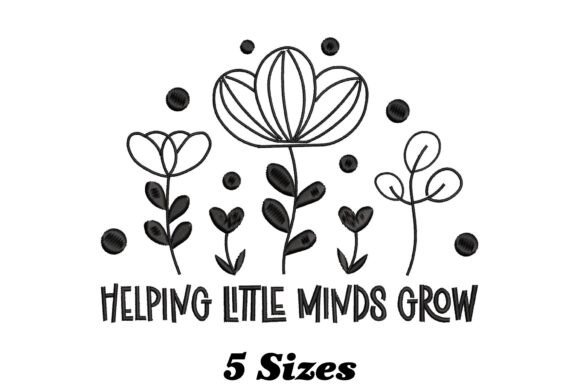
A Craft Fair Review of the 'Helping Little Minds Grow' Embroidery Design
Sitting down to review a new machine embroidery design before a big craft fair is a crucial step. It’s where the digital file meets real-world practicality. Today, I’m looking at Helping Little Minds Grow, a design categorized for School. My goal is to judge its potential as a craft fair product, handmade product, and small shop product.
First Impressions: Quirky Charm and Versatility
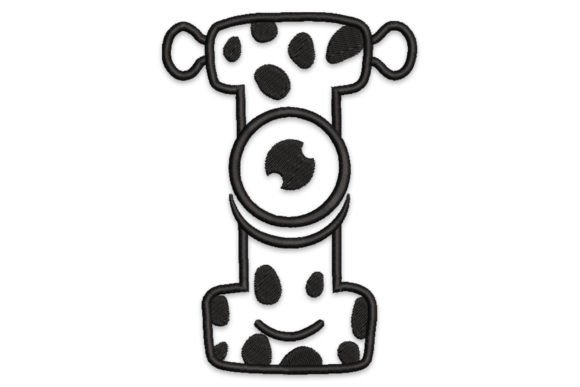
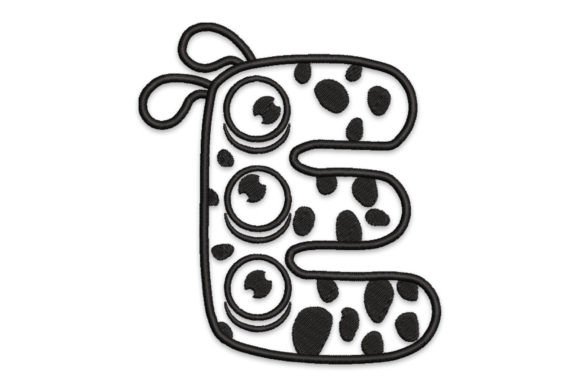
The title Helping Little Minds Grow suggests a playful, caring theme. The description promises a "charming update" and "fun and quirky flair." This immediately sets a tone. It feels cute, decorative, and soft, not minimal or overly rustic. It’s approachable, which is excellent for a wide market. The mention of embellishing t-shirts, towels, or home decor hints at strong versatility, a key selling point for embroidery business owners who need one design to work across multiple products.
Where It Stands Out on the Booth Table
Imagine a table filled with embroidered tote bags, aprons, tea towels, caps, and pillow covers. Helping Little Minds Grow needs to grab attention in that mix. Its whimsical nature suggests it would stand out best on giftable handmade items and everyday accessories. A primary candidate is a tote bag design or a market bag—something a parent, teacher, or caregiver might use. Embroidered on a clean canvas tote, it becomes a charming, functional statement.
For kitchen towels or an apron embroidery, it adds a sweet, personal touch to utilitarian items, elevating them to a boutique maker level. As an embroidered patch, it offers flexibility; customers could buy it to apply to a child’s backpack or a jacket. On a small fabric pouch or a pillow cover in a nursery or study space, it becomes decorative home decor, aligning perfectly with the description.
Practical Production for Batch Selling
When preparing for batch production, several factors come into play. First, hoop size and stitch density are critical. Without the exact details from the embroidery file, I must advise: always check these specs before proceeding. A design with very dense stitch areas can be time-consuming and require careful stabilizer choice, especially on textured towels or curved cap surfaces.
Small lettering or tiny details, if present in this design, could lose clarity on thick fabric or at smaller sizes. Before producing dozens of units, test the design on scrap fabric. Check thread contrast, particularly if planning to stitch on dark fabric. Review the spacing of elements to ensure it looks balanced as both a small accent and a larger focal design. For consistent brand consistency across your booth display, producing at least one real mockup of the design on your chosen product (like a tea towel embroidery) is non-negotiable. Compare how it looks on different fabric colors.
Selling Power: Visual Appeal and Customer Engagement
The visual appeal of Helping Little Minds Grow directly affects customer attention and perceived product value. A design that is easy to understand at a glance sells faster at a busy fair. This title is clear and evocative. It should photograph well for online Etsy listings and printable mockups, which is vital for digital sellers who also sell the finished product online.
Does it feel repeatable for batch production? That depends on its complexity. If the design is moderately detailed but not overly intricate, it can be efficiently reproduced, strengthening your booth display with multiple cohesive items. This repeatability also supports commercial embroidery use for your small shop. Always confirm commercial licensing before selling finished products from any digital embroidery file.
Handmade Quality and Booth Strength
The handmade quality shines when the embroidery is crisp and the thread colors are well-chosen. On items like a cap or a pillow cover, the design must look premium and secure. For booth display strength, consider creating a dedicated section for "school" or "growth" themed items. A cluster of products featuring Helping Little Minds Grow—a tote, a towel, and a patch—creates a narrative that engages buyers. It shows the design’s versatility and encourages multiple purchases.
Careful-Use Notes for the Professional Designer
As an embroidery designer preparing for a market, my final notes are purely practical:
- Stabilizer is key: Use the right stabilizer for the fabric texture. Kitchen towels and tote bags need different support.
- Inspect stitch density: High density can cause puckering on lightweight fabrics, affecting the finished product's look.
- Create real mockups: Never rely only on digital mockups. Stitch it on the actual tea towel or apron you plan to sell.
- Photograph for online: Note how the design looks in photos for your Etsy seller listings. Good design assets sell both the digital file and the physical item.
- Consider size adaptation: If the design has intricate elements, it might not scale down well for a small pouch. Test it.
In conclusion, Helping Little Minds Grow presents a promising opportunity for craft fair sellers and creative entrepreneurs. Its charming, quirky theme aligns with giftable, everyday products that resonate with a broad audience. Success hinges on thorough testing, mindful production choices, and presenting it on products where its story—of growth and care—is visually and tangibly clear. By focusing on these real-world application points, you can transform this delightful embroidery design into a standout feature of your handmade market booth.