ABC Embroidery: A Designer's Review for Craft Fair Success
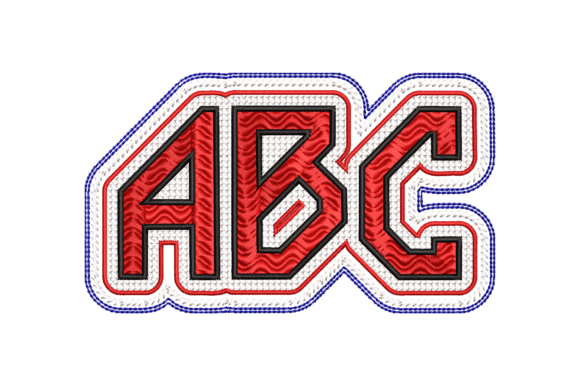
As an embroidery designer preparing for a weekend craft fair, every design in my collection gets a practical review. I look at it not just as a digital file, but as a potential product that needs to sell in person. Today, I'm evaluating the ABC embroidery design. The description tells me it's about elevating fabric with elegance and charm, offering a unique and eye-catching look. Let's break down what that means on the actual products on my booth table.
First Impression: Where ABC Fits in the Market Mood
Based on the title and description, ABC leans into a classic, elegant, and decorative feel. It's not loud or overly funny; it's aiming for a touch of premium charm. This is a mood that sells very well across different customer types—it appeals to those looking for a special gift, to buyers who prefer a softer aesthetic, and to anyone wanting to add a refined personal touch to their home or wardrobe. In a bustling craft fair environment, designs with this character often stand out by offering a sense of calm and quality amidst more chaotic or trendy offerings.
Product Performance: Where ABC Will Shine on Your Booth Table
This is the core of the review. I picture my display: tote bags, aprons, tea towels, caps, patches, pouches, and pillow covers. For ABC, I see immediate applications.
Strong Candidates for High Sales
- Tote Bags & Market Bags: An elegant design like ABC can transform a simple canvas tote into a boutique item. It feels giftable and useful.
- Pillow Covers: This is a perfect home decor application. The charm and elegance described would elevate a linen or cotton pillow, making it a strong seller for home-focused customers.
- Tea Towels & Aprons: In the kitchen category, a decorative, eye-catching design adds value beyond utility. It makes the product feel like a special handmade heirloom rather than just a towel.
- Fabric Pouches & Small Giftable Items: For smaller, lower-price-point items, ABC provides a premium feel that can justify a higher price for a handmade product.
Considerations for Other Products
- Caps: The curved surface can be tricky. If ABC has large, dense stitch areas, it might pucker. It needs to be tested.
- Embroidered Patches: This depends entirely on the design's clarity at a smaller size. If it has tiny lettering or very fine details, it might not translate well to a patch.
- Dark Fabrics: Elegance often relies on contrast. I'd need to ensure the recommended thread colors pop on darker backgrounds if I plan to use them.
Practical Selling & Production Points for Your Business
Beyond where to put it, we need to know how to produce it efficiently and how it will sell.
Visual Communication & Customer Attention
An "eye-catching look" means customers should notice it from a few feet away. Does ABC work as a large focal design on a tote bag, or is it more of a small accent on a towel corner? This affects pricing and perceived value. A large, central design often commands a higher price and stops booth traffic. I also consider how it photographs for my Etsy listings and printable mockups. Elegant designs usually photograph very well, highlighting the handmade quality and stitch detail.
Batch Production & Booth Display Strength
For a craft fair, I often batch-produce popular items. Is ABC repeatable? If the stitch time is reasonable and the design isn't overly complex with dozens of color changes, it can be a reliable product for volume. In the booth display, a cohesive look strengthens your brand. Having a series of items—totes, towels, pouches—all featuring the ABC design creates a powerful, professional vignette that draws buyers in.
Careful-Use Notes from the Embroidery Machine
Here’s the real-world designer advice that prevents costly mistakes.
- Stitch Density & Fabric Texture: Dense stitch areas on textured fabrics like tea towels can look superb or sink in and lose detail. Always test on a scrap of the actual fabric you'll use.
- Small Details & Lettering: If "ABC" involves small lettering or intricate lines, it may lose clarity on smaller items or on curved cap surfaces. It might require a larger hoop size than anticipated.
- Stabilizer Choice: An elegant design often has fine details. Using the correct stabilizer is non-negotiable to prevent puckering and maintain that premium look.
- Thread Contrast: For an eye-catching look, thread color against fabric color is key. Create at least one real mockup on your chosen fabric to confirm the contrast works in person.
Final Designer Checklist Before Selling
Before I commit ABC to my production schedule for the fair, I run this final list. It protects my time, my inventory, and my brand.
- Test on Scrap Fabric: Do a run on the actual material (canvas, linen, cotton) you plan to sell.
- Review Spacing & Scale: See how it looks at different sizes. Does it work as a 4-inch design on a pouch and a 8-inch design on a pillow?
- Inspect Stitch Density: Check the machine file preview or test sew to identify any sections that might be too thick for lightweight fabrics.
- Compare Fabric Colors: Sew the design on a light and a dark fabric scrap to understand its range.
- Confirm Commercial Licensing: As a digital seller or small shop product creator, I must verify that my embroidery file or machine embroidery design license allows me to sell the finished product commercially. Never assume.
- Create One Real Booth Sample: Make one perfect version of the product you believe will sell best—say, a tote bag. This becomes your display hero and proves the product's viability.
In conclusion, the ABC embroidery design, with its described elegance and charm, has strong potential for the craft fair and handmade market. Its likely decorative nature makes it versatile for home decor and wearable accessories, products that consistently attract buyers. By methodically testing its application and paying attention to the practical embroidery requirements, you can transform this digital embroidery file into a lineup of profitable, beautiful craft fair products that capture customer attention and enhance your booth's appeal. Remember, the best designs are those that not only look good on screen but also stitch out perfectly and sell effortlessly in the real world.