A Professional's Take on Microscan Fonts for Your Craft Fair Booth
As someone who designs for and sells at handmade markets, I look at every embroidery file with a very practical eye. My first question is always: will this help me sell more products at my weekend craft fair booth? Let’s walk through that exact scenario, evaluating the Microscan Fonts Embroidery Design as if I were preparing my table display right now.
First Impression: What Mood Does This Font Create?
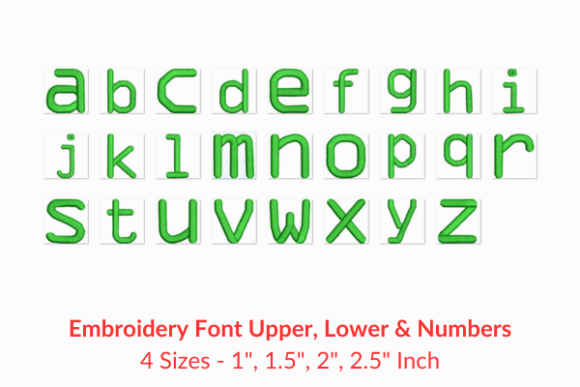
From the description, Microscan Fonts is a high-quality embroidery font for personalization. The name “Microscan” suggests precision and clarity, likely a clean, legible font. This isn’t a bold, rustic, or overly decorative font. My immediate sense is that it leans modern, minimal, and premium. It feels like a versatile tool rather than a themed design. For a craft fair, that’s powerful. It won’t shout “festive” or “farmhouse,” but it will whisper “clean” and “custom,” which can appeal across many customer types.
The Craft Fair Booth: Where Microscan Fonts Would Stand Out
Imagine my table: tote bags, aprons, tea towels, caps, small pouches, and pillow covers. Personalization sells. A customer sees a beautifully embroidered tote bag and immediately wonders, “Could this have my name on it?” That’s where Microscan Fonts Embroidery Design shines. Its job is to enable that thought.
Best Chance to Sell: On products where adding a name, date, or short quote feels natural and adds significant value. A simple tea towel becomes a personalized wedding gift. A market bag becomes a special mom’s bag. A fabric pouch becomes a unique monogrammed gift. The font itself isn’t the star of the booth display; it’s the engine behind the customizable products that become the stars.
Performance on Key Handmade Products
Let’s get practical. How will this embroidery file perform on the actual items?
Tote Bags & Market Bags
Perfect. A clean, legible font like this on the front of a canvas tote bag looks professional and desirable. It photographs extremely well for online listings like Etsy, and the stitch density should hold up on thicker fabric. This is a prime candidate for batch production—you could easily produce a dozen blank bags and then offer on-site personalization at your booth.
Aprons & Tea Towels
For kitchen textiles, this font feels elegant and functional. On an apron, adding a name or a funny quote (“Chief Cook”) makes it a standout handmade gift. On textured towels, you must test the stabilizer to ensure the small lettering remains crisp. Dark fabric? Thread contrast is critical—a bright white or contrasting color would make the Microscan Fonts pop.
Caps & Patches
Curved surfaces like caps are tricky for any embroidery design. The key here is clarity at a smaller size. If the font has tiny details or very dense stitch areas, it might lose definition on a cap. This requires a test on scrap fabric first. For patches, it’s excellent—a clean, personalized patch is a strong small shop product.
Pillow Covers & Giftable Pouches
On these softer, decorative items, the minimal, modern feel of Microscan Fonts adds a custom, boutique touch without overpowering the fabric pattern. It works beautifully as an accent, not a focal design. This boosts perceived value and handmade quality.
Critical Production & Selling Points
Turning this digital embroidery file into profitable craft fair products involves some real-world checks.
Photography & Online Appeal
A clean font photographs beautifully. For your Etsy listings or printable mockups, products embroidered with Microscan Fonts will look sharp and professional. This directly affects buyer engagement and brand consistency. Make sure your photos show the texture and clarity of the stitches.
Batch Production Practicality
Is it repeatable? For a font used for personalization, absolutely. Once you have your settings dialed in—hoop size, stabilizer, thread colors—you can run many units. This is crucial for commercial embroidery at the scale of a busy craft fair.
Clarity at Various Sizes
The biggest caution for any font, especially one named “Microscan,” is scale. You must test it at the size you intend to sell. Embroidering a long name on a small pouch might force you to shrink the font so much that small lettering becomes fuzzy or thread breaks. Always, always create at least one real mockup on your target fabric.
Careful-Use Notes for the Embroidery Designer
Here’s my checklist before I would load this design for a fair:
- Test on Scrap Fabric: Use the exact fabric you’ll sell on—canvas for bags, linen for towels, twill for caps.
- Check Thread Contrast: On dark fabrics, use light, bright threads. On light fabrics, consider dark threads for high impact.
- Review Spacing & Density: Look at the stitch density in the design file. Dense areas on textured towels might pucker without the right stabilizer.
- Confirm Hoop Size: Ensure your standard hoop can accommodate the size of text you want to produce. Don’t assume.
- Inspect for Tiny Details: If the font has extremely fine serifs or details, they may not embroider cleanly on coarse fabrics.
- Compare Fabric Colors: Make samples on a few of your standard fabric colors to see which combinations sell the look best.
- Commercial Licensing: The description states it’s for personalizing designs. Before selling finished products, confirm this digital embroidery file is licensed for commercial embroidery use. This is a must.
Final Judgment: A Versatile Tool for Boosting Sales
The Microscan Fonts Embroidery Design isn’t a standalone product; it’s a design asset that multiplies your product offerings. Its modern, minimal feel elevates the perceived quality of your handmade items. At a craft fair booth, the ability to say “I can add your name right here” is a powerful sales closer. It transforms a generic item into a personalized purchase, increasing customer attention and product value instantly.
For the embroidery business owner, Cricut crafter, or boutique maker preparing for market, this font represents opportunity. But the work lies in the preparation: test it, understand its limits on different surfaces, and ensure your production setup is flawless. Then, watch as it helps you write names, dates, and quotes that turn browsing customers into happy buyers.