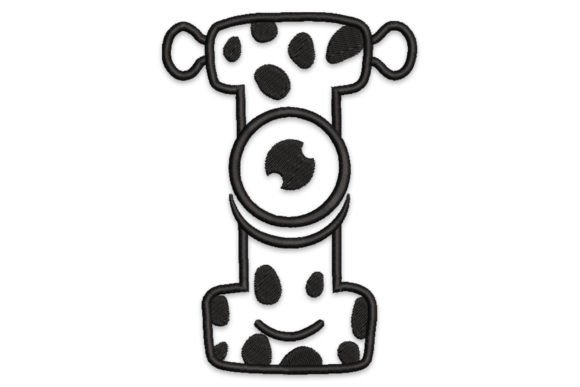
Delightful Teach: A Professional Design Review for Branded Merchandise
As a professional embroidery designer working with small businesses, my first job with any digital embroidery file is to evaluate its real-world commercial potential beyond just decoration. When reviewing Delightful Teach for merchandise and branding use, the initial impression is distinctly playful and friendly. The described charm and whimsical touch suggest a design built for connection, not just stitching. This personality is a powerful starting point for businesses aiming to project warmth and approachability.
Visual Personality and Brand Identity Impact
Delightful Teach carries a visual tone that can significantly shape a brand’s identity. For a small café, creative studio, or boutique, this design can translate a handmade and personal ethos directly onto products. When used consistently across items—like staff aprons, tote bags, or product labels—it builds a cohesive and recognizable brand story. Customers engage with brands that feel authentic; a whimsical, charming emblem can foster that trust and make your merchandise feel more like a gift than a generic product. However, it’s crucial to assess if this playful style aligns with your desired professionalism. For some businesses, like a modern tech startup, it might be too rustic. For a bakery, florist, or pet brand, it could be the perfect heartwarming accent.
Real-World Business Applications and Performance
Let’s move from theory to the hoop. Where can Delightful Teach perform reliably in a commercial setting?
- Embroidered Patches: This is a prime application. A standalone patch offers incredible flexibility: sew it onto caps, attach it to backpacks as event merch, or use it as a product add-on for Etsy sellers. The key test will be reducing the design to a small patch size. You must check the machine embroidery file at the intended dimensions to ensure details like lettering or outlines remain clear and don’t become a muddy blob of stitches.
- Staff Uniforms & Workwear: Imagine this design on a café apron, a boutique staff polo shirt sleeve, or a gardener’s hat. It adds a branded, friendly touch to functional apparel. For dark uniform fabrics, pay close attention to thread color contrast—a light design on a dark shirt may need a bright backing or careful color selection to pop.
- Tote Bags & Customer Gifts: These are excellent high-value items. A well-embroidered tote bag with Delightful Teach becomes a walking advertisement. The larger canvas allows the design’s charm to shine, potentially increasing the perceived value of the bag itself.
- Product Packaging & Labels: For handmade shops, a small embroidered label featuring this design on a product can elevate it from homemade to handcrafted premium. This application requires meticulous precision and testing on the actual fabric texture of your product.
Critical Considerations for Production Success
Every embroidery design has its strengths and weaknesses in production. Here are the practical notes from a designer’s bench for using Delightful Teach in business.
- Test at Small Scale First: Before committing to a production run, stitch out Delightful Teach in a small size, suitable for a cap front or a tiny chest logo. This reveals any issues with stitch density on curved surfaces or intricate details becoming lost.
- Evaluate Thread Color & Contrast: Playful designs often use multiple colors. Create a simple black and white test stitch-out first to check the fundamental contrast and structure. Then, plan your thread colors to ensure they work on your specific merchandise fabrics, especially if items require frequent washing, which can affect color vibrancy.
- Match Design to Fabric & Stabilizer: The fabric texture is a co-designer. Stitching this onto a towel (as suggested) requires a different stabilizer approach than stitching it onto a smooth t-shirt or a thick canvas tote bag. Always test on a scrap of the real fabric you’ll use in production.
- Confirm Technical Specifications: While the product description hints at its use, you must verify the core technical details yourself before any commercial embroidery project. Check the required hoop size, the stitch count (which influences production time and durability), and critically, confirm the commercial licensing terms of the digital embroidery file. Never assume a file is licensed for business use without explicit confirmation.
- Create a Printable Mockup for Client Approval: If you’re an embroidery shop producing for a client, always generate a mockup showing Delightful Teach on their specific merchandise item—an apron, a cap, etc. This avoids mismatched expectations and ensures the design fits their other brand assets visually.
Where to Use Delightful Teach with Care
Some applications demand extra scrutiny. For Delightful Teach, be cautious with:
- Very Small Patch Sizes: If the design includes text or fine lines, shrinking it too much for a tiny product label might render it unreadable or poorly defined.
- High-Stitch-Density Areas: If the design has densely stitched sections, this can lead to stiff, bulky patches that are uncomfortable on flexible apparel like t-shirts and may not adhere well to curved surfaces like cap fronts.
- Dark or Textured Uniform Backgrounds: As mentioned, contrast is king. A whimsical design can lose its delight on a dark, textured work shirt without careful color planning.
Final Designer Advice for Business Integration
Delightful Teach is more than a digital embroidery file; it’s a potential brand asset. To integrate it successfully, treat it as part of your system. Compare it beside your logo, your color palette, and your other design assets. Does it complement and enhance your overall identity? For a business in the School category or with educational themes, it could be a perfect fit. Ultimately, its value lies in execution. A well-produced, thoughtfully applied embroidery can turn a playful design into a professional, revenue-generating piece of custom apparel and small business merch. Your customers will recognize and appreciate the charming touch, believing in the care you put into your finished product.